Other Thean Hou Temples in Malaysia (Langkawi, Penang)
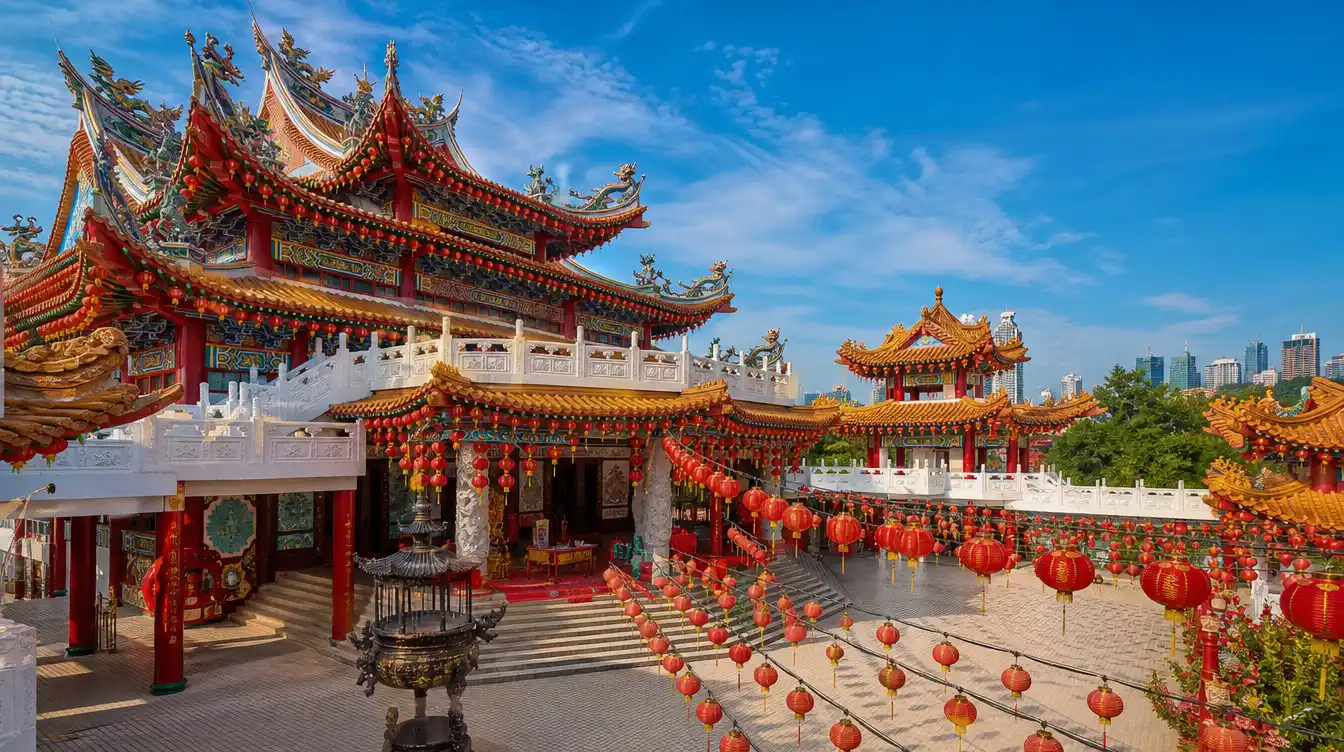
Most travelers, when you mention "Thean Hou Temple," immediately picture that grand, multi-tiered structure perched on Robson Heights in Kuala Lumpur, a truly iconic sight. It is a stunning place, no doubt. But honestly, Malaysia is a vast country, and the reverence for Mazu, the Goddess of the Sea, extends far beyond the capital. You can find beautiful, smaller, and often more intimate temples dedicated to her across the peninsula and islands, places like the serene langkawi thean hou temple, which offers a very different experience. These other temples, while perhaps not reaching the dizzying heights of the KL behemoth, possess their own unique charm and local significance. They tell stories of Chinese communities settling, trading, and building their spiritual homes in new lands. This article dives into some of these lesser-known, yet equally fascinating, Mazu temples you might encounter on your travels, specifically focusing on the ones in Langkawi and Penang, with a quick nod to a few others.Book your Thean Hou Temple experience:
Discovering the Langkawi Thean Hou Temple in Kuah
My first encounter with the Thean Hou Temple in Langkawi was almost accidental. We were driving through Kuah, the main town, looking for a place to grab some local food, when a flash of vibrant red and gold caught my eye up on a small hill. It wasn't advertised much, certainly not like some of the island's other attractions. This particular langkawi thean hou temple is a quiet, peaceful sanctuary, offering panoramic views of Kuah Bay and the surrounding hills. It feels much more like a community temple, built for the local Chinese population rather than solely for tourists. You won't find massive tour buses here, which is a blessing if you prefer a more contemplative visit. The architecture is traditional, with intricate carvings and colorful murals depicting scenes from Chinese folklore. The main hall houses the statue of Mazu, flanked by other deities, all adorned with fresh offerings of fruit and incense. The air often smells faintly of sandalwood.Pro tip: Visit the Langkawi Thean Hou Temple around sunset. The views over Kuah Bay are quite spectacular, and the golden hour light really makes the temple's colors pop for photography. It is also usually cooler then.
What to Expect at Thean Hou Temple Langkawi
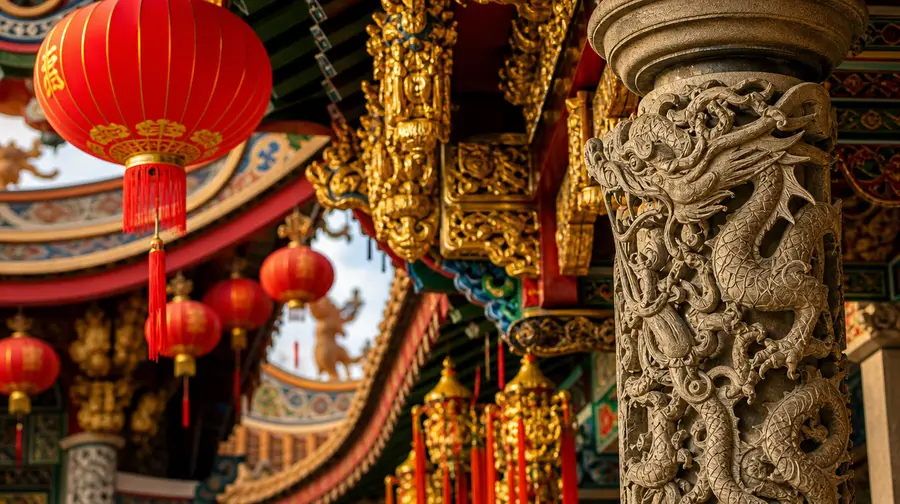
Stepping inside the temple grounds, a sense of calm immediately washes over you. The sounds of traffic from Kuah fade, replaced by the gentle rustle of leaves and maybe the distant chime of a bell. The main prayer hall is the centerpiece, of course, but take time to explore the surrounding areas. There are smaller altars dedicated to different gods, often tucked away in corners or along covered walkways. The artwork is quite detailed. Look closely at the roof eaves, the pillars, and the wall frescoes. Each carving tells a piece of a story, often about mythical creatures or historical figures. I saw a few older folks lighting incense, bowing respectfully, and placing small offerings. It really gives you a glimpse into local devotion. It is a place of active worship, not just a museum piece, which makes it feel very authentic.Note: While there is no strict dress code, wearing respectful attire (shoulders and knees covered) is always appreciated when visiting any place of worship in Malaysia. It shows deference to the local culture and beliefs.
- Main Altar: Dedicated to Mazu, often beautifully adorned with silks and fresh flowers.
- Incense Coils: Large, spiral incense coils hanging from the ceiling, slowly burning for days.
- Fortune Telling Blocks: You might see devotees using two wooden blocks (jiaobei) to ask for guidance.
- Panoramic Views: From the temple's elevated position, you get fantastic vistas of the town and harbor.
The Thean Hou Temple in Penang
Penang, with its rich Chinese heritage, naturally hosts several temples dedicated to Mazu. While none are as architecturally grand as the one in KL, they each have their own stories and community importance. The most prominent Mazu temple in George Town is often referred to simply as the Thean Hou Temple and it is found within the Goddess of Mercy Temple complex on Jalan Masjid Kapitan Keling. This temple, unlike the standalone structure in Langkawi, is part of a larger historical precinct. It is a busy place, set right in the heart of the bustling city. You might not find much about "thean hou temple penang wikipedia" that highlights it specifically as a separate entity, because it is so integrated into the wider worship area. The Goddess of Mercy Temple itself is one of the oldest Chinese temples in Penang, dating back to the early 1800s. The Mazu altar here often shares space with Kuan Yin, the Goddess of Mercy, reflecting the syncretic nature of Chinese folk religion. The atmosphere is very different from Langkawi. Here, you're surrounded by the vibrant chaos of George Town. The air is thick with incense smoke, street vendors hawk their wares nearby, and devotees come and go in a constant stream. It is a living, breathing part of the city's daily rhythm. I think it is fascinating to see how the same deity is revered in such contrasting environments. For details on the more famous Kuala Lumpur site, you can check out this guide on Thean Hou Temple opening hours, but honestly, the Penang experience is all its own. Here's a quick comparison of the Langkawi and Penang Thean Hou Temples:| Feature | Langkawi Thean Hou Temple | Penang Thean Hou Temple (Goddess of Mercy Complex) |
|---|---|---|
| Location | Kuah, Langkawi (on a small hill) | George Town, Penang (Jalan Masjid Kapitan Keling) |
| Vibe | Quiet, contemplative, scenic views | Bustling, historic, integrated into city life |
| Primary Focus | Standalone Mazu temple | Mazu altar within a larger Kuan Yin temple |
| Crowd Level | Low, mostly locals and independent travelers | High, popular with locals and tourists alike |
| Accessibility | Requires a short drive or taxi | Walkable from many George Town attractions |
Book your Thean Hou Temple experience:
Beyond the Islands - Thean Hou Temples in Kuantan, Pandan Indah, and Kuala Lipis
It is not just the island states that host these maritime goddess temples. You can find smaller, often very local, Thean Hou temples scattered across mainland Malaysia. Places like the Thean Hou Temple Kuantan, for instance, serve the local fishing and trading communities along the east coast. These temples are typically less ornate and less geared towards tourism, offering a raw, unfiltered look at local worship. I remember once stumbling upon a small temple in Pandan Indah, a suburb outside Kuala Lumpur. It was a modest building, tucked between shophouses, but clearly a focal point for the neighborhood. This Thean Hou Temple Pandan Indah was humble, yet felt incredibly alive with daily prayers and community gatherings. There was a sense of deep tradition, passed down through generations. Even more remote, you might find a temple de Thean Hou Kuala Lipis, deep in the interior of Pahang. This really highlights Mazu's significance not just to seafarers, but to Chinese communities who settled far from the coast, carrying their traditions and beliefs with them. These smaller temples often represent the heart of a local Chinese community, providing spiritual solace and a place for cultural continuity. They are worth seeking out if you are genuinely interested in local culture, even if they lack the grandeur of their more famous counterparts.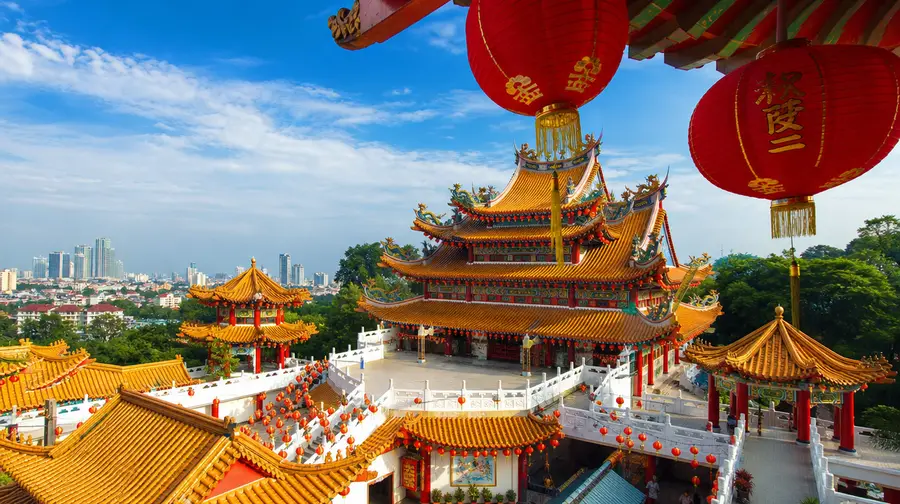
The Enduring Legacy of Mazu Worship Across Malaysia
The prevalence of Thean Hou Temples throughout Malaysia, from the bustling streets of George Town to the quiet hills of Langkawi, and even inland towns, speaks volumes about the historical migration and settlement patterns of Chinese communities. Mazu, as the protector of seafarers, was a crucial deity for immigrants who crossed treacherous waters to reach these shores. Her temples became beacons of hope and continuity, offering comfort in new lands. Each temple, regardless of its size or fame, serves as a vital cultural and spiritual anchor. They are places where traditions are maintained, festivals are celebrated, and community bonds are strengthened. Visiting these smaller temples gives you a richer understanding of Malaysia's diverse cultural tapestry, far beyond the well-trodden tourist paths. It is a different kind of travel, one that connects you more deeply with the local pulse.Frequently Asked Questions about langkawi thean hou temple
Is the Langkawi Thean Hou Temple as large as the one in Kuala Lumpur?
No, the Langkawi temple is significantly smaller and less grand than the famous Thean Hou Temple in Kuala Lumpur. It offers a more intimate and local experience.
What are the typical opening hours for thean hou temple langkawi?
Most smaller temples like the one in Langkawi are generally open from early morning, around 8:00 AM, until late afternoon or early evening, maybe 6:00 PM or 7:00 PM. It is best to visit during daylight hours.
Is there an entrance fee to visit the Langkawi Thean Hou Temple?
No, there is typically no entrance fee to visit the Langkawi Thean Hou Temple. Donations are welcome, but not required.
Quick Reference
- Location: Kuah, Langkawi (hilltop)
- Main Deity: Mazu, Goddess of the Sea
- Entrance Fee: Free (donations welcome)
- Best Time: Early morning or late afternoon for views
Book your Thean Hou Temple experience:
My Take on Other Thean Hou Temples
Honestly, while the Kuala Lumpur Thean Hou Temple is a must-see for its sheer scale and beauty, don't overlook its smaller cousins. The langkawi thean hou temple offers a peaceful retreat with fantastic views, a real hidden gem. The Penang temple, while part of a larger complex, provides a vibrant slice of George Town's living heritage. Seeking out these local places gives you a much more authentic feel for Malaysia's rich cultural fabric. It is a worthwhile detour for any traveler looking to experience more than just the main attractions.Read more about Thean Hou Temple.